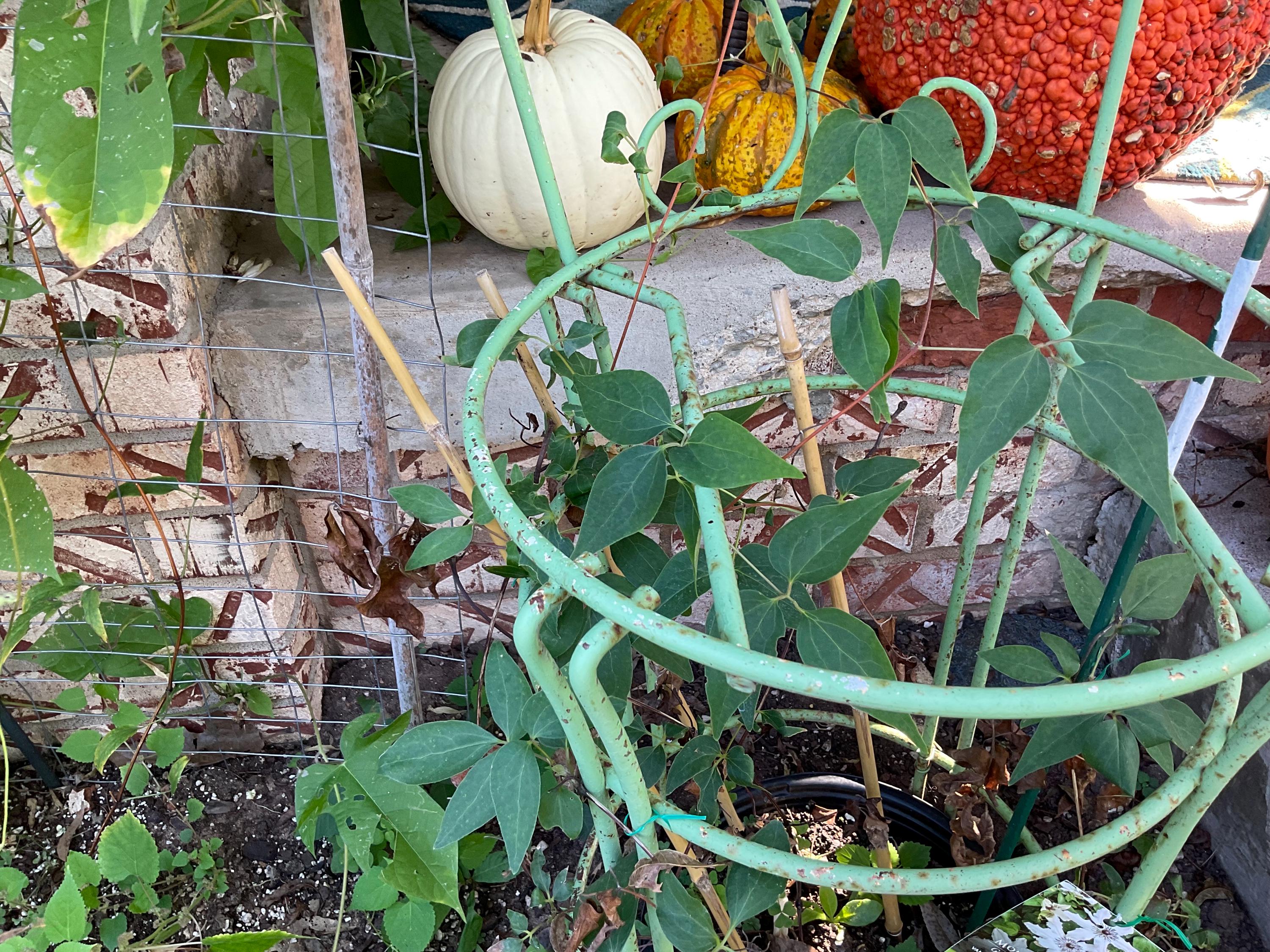
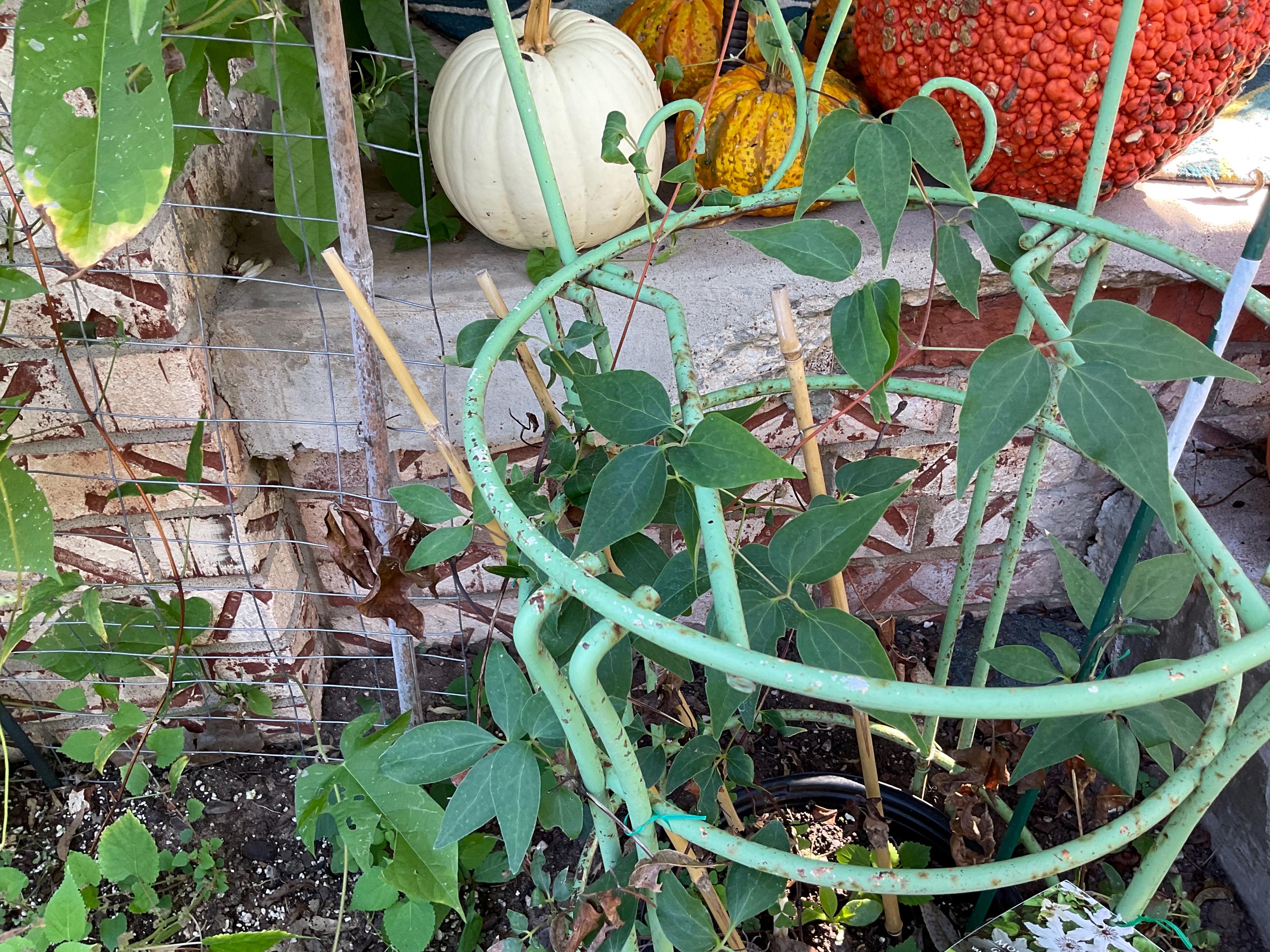
Clematis seeds are beautiful and rewarding to grow, but they are slow germinators and require patience.
Please read these instructions carefully before planting:
✅ Cold Stratification Required:
Clematis seeds need a natural “winter” period to trigger germination.
•Place seeds in a moist growing medium (seed starting mix or vermiculite) in a small container or bag.
•Keep them in the refrigerator (around 40°F / 4°C) for 60–90 days.
•Check occasionally to make sure the medium stays slightly damp, not soggy.
✅ After Stratification:
•Sow seeds about ¼ inch deep in seed-starting soil.
•Keep soil evenly moist and provide bright, indirect light.
•Germination can take 2–3 months or longer after stratification, so please be patient.
💡 Tip: Many growers start Clematis seeds in late fall or winter, allow them to naturally stratify in a cool area, and see sprouts emerge in spring.
⸻
🌿 Please note:
Clematis seeds are viable and tested before shipping. Germination time depends on proper stratification and growing conditions, which are out of the seller’s control. If you have questions at any step, I’m happy to help — just send me a message! 💛
Hopefully you have a planting location in mind before you bring home your new clematis. Ideally it's a sunny spot. Though some clematis cultivars will bloom in partial shade (such as Nellie Moser and Henryii), to reach their full potential they need at least six hours of sun each day.
Clematis prefer moist, well-drained soil that's neutral to slightly alkaline in pH. If your soil tends to be acidic, you should sweeten it periodically with limestone or a little wood ash. Dig a good hole for your new clematis, working in lots of compost and some granular organic fertilizer.
Be very gentle when settling the plant into its new home; the roots, crown and emerging vines of clematis can be easily broken. Position the plant slightly deeper than it was growing in the pot, so the first set of true leaves is just under the soil surface. Water weekly for the first season, to help the plant get established. If you can get your clematis through its first year, chances are good that it will continue to thrive. Mulching around the base of the plant will help conserve moisture, but keep the mulch several inches away from the crown, where the vines emerge from the soil.
Clematis are happiest with cool shade at their roots and warm sun on their foliage. Mulching around the roots will help keep the soil cool, as will the foliage of a low-growing perennial.
I would start these indoors until the first frost is gone and then go ahead and put them in a sunny location one thing that I’ve learned over the last few years is they do not like a lot of water I’ve grown them in pots because they are a perennial and then I’ve also grown them in the ground they seem to do they’re beautiful and either one but they seem to do better in the ground they come back in bloom earlier in the spring then they would in the pot and last year and Oklahoma it got way below that it normally does and I lost about four of them so I recommend definitely put them in the ground .
Production partners
TattooGardener makes this item with help from
Tattoo Gardner, Bixby, OK